Ki randizott Margherita Salicola-szel?
III. János György szász választófejedelem Margherita Salicola dátummal kelt, ? és ?. között
Margherita Salicola
Margarita Salicola (floruit 1682 – 1706) was a famous opera singer of her time. She came from a family of musicians at the court of the Ferdinando Carlo Gonzaga, Duke of Mantua and became a staple of casts at San Giovanni Grisostomo, Venice's newest and most famous theater, in the 1680s. The earliest work with which she can be linked is Pietro Simone Agostini's Il ratto delle Sabine (The Rape of the Sabine Women). She was especially praised for her appearance in the title role of Carlo Pallavicino's Penelope la casta (The Chaste Penelope) in the winter of 1685. The Saxon elector Johann Georg III, in whose court Pallavicino already served, was so thrilled by her performance that he became intent to taking her and two castrati from the same cast into this service. After a staged "kidnapping," Salicola was escorted en route to Dresden by a Mantuan agent.
As a "dame of honor" in the Saxon court, she quickly won fame in Dresden, but she traveled back to Italy often and continued to perform into the early eighteenth century. Despite the many works in which she appeared, Penelope remained the one for which she was best remembered.
Bővebben...III. János György szász választófejedelem
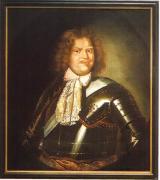
III. János György (1647. június 20. – 1691. szeptember 12.) a Wettin-ház Albert-ágából származó szász herceg, 1680-tól haláláig választófejedelem.
II. János György választó fiaként született, és édesapja halála után lépett a trónra. Édesapjához hasonlóan kedvelte a művészeteket, de keményebb kézzel vigyázta hazája sorsát. 1683-ban, Bécs török ostromakor személyesen vett részt a város felmentésében. 1685-ben 5000 katonát küldött a magyarországi felszabadító háborúkba I. Lipót császár segítségére. 1688-ban – a francia seregek német területekre való betörésekor – ő volt az első fejedelem, aki a francia határra vonultatta hadseregét.
Miután Franciaország 1689-ben ismét betört a Birodalomba, ő maga vezette segédcsapatait, és átvette Frankföld védelmét. Betegsége miatt el kellett hagynia a háborús színteret, de orvosai és tanácsadói akaratával ellentétben már 1690 májusában visszatért és az császárral megerősített szövetség után átvette a birodalmi hadsereg főparancsnokságát, de taktikai kérdésekben nem tudott egyetérteni Caprara császári tábornaggyal. Nem sokkal később elhunyt. Utóda fia, IV. János György lett.
Bővebben...