Ki randizott Margareta Slots-szel?
Gustavus Adolphus of Sweden Margareta Slots dátummal kelt, ? és ?. között
Margareta Slots
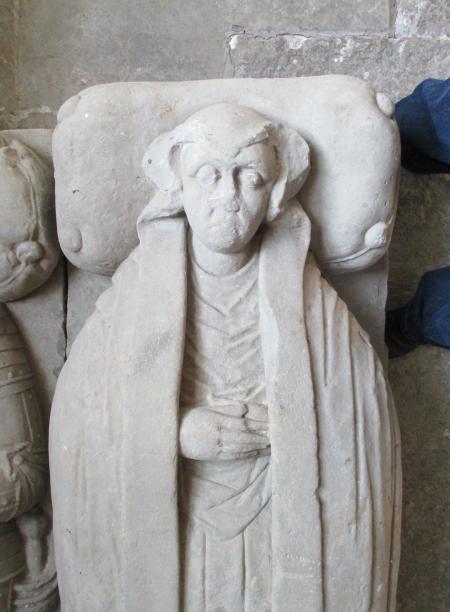
Margareta Slots or Margareta Cabiljau (died 1669) was the royal mistress of king Gustav II Adolf of Sweden and the mother of his illegitimate son Gustav of Vasaborg.
Margareta Slots was the daughter of the Dutch merchant Abraham Cabiljau and Maria van Leest. During the Ingrian War Slots met Gustav at the siege of Pskov in 1615. At the time she was married to the Dutch military engineer Andries Sessandes, who fell in battle at Pskov soon after (October 1615).
In 1616, she and Gustav had a son, Gustav Gustavson; Gustav acknowledged his son and granted him an allowance. Slots then married the paper maker Arendt Slots, who died a few years later, and then the petardist and "Feuerwerker" (artillerist and gunpowder maker) Jacob Trello (died 1632), and was given the estate Benhamra in Uppland, where she lived with her husbands, often asking for favours from the king.
In 1625, she was involved in an incident. The bailiff Jacob Galle threatened her with confiscation after she had prevented her tenants to take part in royal construction work. As a response she visited Galle, asked if he had not heard of the privileges granted her by the monarch, and struck him with her stick, after which Galle was beaten by her servants. Galle died of the injuries and she was accused for his murder, but no legal action against her is mentioned.
Reportedly, she met Gustav Adolph only once, in 1630, after their relationship had ended.
Bővebben...Gustavus Adolphus of Sweden

II. Gusztáv Adolf (svédül: Gustav II Adolf; Stockholm, Svédország, 1594. december 9. – Lützen, Szászország, Szent Római Birodalom, 1632. november 6.), Svédország királya 1611 és 1632 között. Uralkodása alatt országa európai nagyhatalommá nőtte ki magát: a harmincéves háború során a kontinens egyik vezető katonai ereje lett, és jelentős szerepe volt abban, hogy a háború után országa legyen az európai politikai és vallási erőviszonyok egyik fő kialakítója. A Nagy Gusztáv Adolf néven ismeretes (svédül: Gustav Adolf den store).
A kora újkori hadtörténet legnagyobb katonai parancsnokaként tartják számon és a „modern hadviselés atyjaként” is hivatkoznak rá. Legjelentősebb katonai győzelmét az 1631-es breitenfeldi csata során szerezte, majd egy évvel később, az 1632-es lützeni csata során – bár csapatai újabb győzelmet arattak –, ő maga életét vesztette az ütközetben. Uralkodásában és reformjaiban jelentős szerepet játszott Axel Oxenstierna, aki halálát követően az ország régense lett. Emellett számos katonai parancsnokot is kinevelt magamellett, köztük Lennart Torstensont, kora egyik legsikeresebb tábornokát.
A tizenhat esztendősen trónra került Gusztáv Adolf három háborút örökölt édesapjától, IX. Károly királytól: az Oroszországgal és Dániával folytatott háborúkat, valamint a dinasztikus konfliktust első fokú unokatestvérével, a Vasa-házi lengyel királlyal, III. Zsigmonddal. Ennek ellenére Gusztáv Adolf közel huszonkét esztendős uralkodása a svéd történelem legsikeresebb korszakai közé tartozik: harctéri sikerein túl közigazgatási, valamint gazdasági és kereskedelmi reformjai is jelentősen hozzájárultak ahhoz, hogy a Svéd Birodalom európai nagyhatalommá tudott válni. A „Nagy” jelzőn túl „Aranykirályként” és „Észak oroszlánjaként” is hivatkoznak rá.
Bővebben...