Ki randizott Mary Robinson (poet)-szel?
George IV of the United Kingdom Mary Robinson (poet) dátummal kelt, ? és ?. között A korkülönbség 3 hónapig és 8 napig tartott volt.
George Capel-Coningsby, 5th Earl of Essex Mary Robinson (poet) dátummal kelt, ? és ?. között A korkülönbség 1 hónapig és 0 napig tartott volt.
Charles James Fox Mary Robinson (poet) dátummal kelt, ? és ?. között A korkülönbség 9 hónapig és 10 napig tartott volt.
Banastre Tarleton Mary Robinson (poet) dátummal kelt, ? és ?. között A korkülönbség 4 hónapig és 3 napig tartott volt.
Mary Robinson (poet)

Mary Robinson (née Darby; 27 November 1757 – 26 December 1800) was an English actress, poet, dramatist, novelist and celebrity figure. She lived in England, in the cities of Bristol and London; she also lived in France and Germany for a time. She enjoyed poetry from the age of seven and started working, first as a teacher and then as an actress, from the age of 14. She wrote many plays, poems and novels. She was a celebrity, gossiped about in newspapers, famous for her acting and writing. During her lifetime she was known as "the English Sappho". She earned her nickname "Perdita" for her role as Perdita (heroine of Shakespeare's The Winter's Tale) in 1779, and was the first public mistress of King George IV while he was still Prince of Wales.
Bővebben...George IV of the United Kingdom
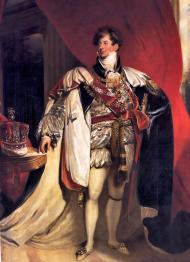
IV. György, teljes nevén George Augustus Frederick of Hanover (Szent Jakab-palota, 1762. augusztus 12. – windsori kastély, 1830. június 26.) Nagy-Britannia és Írország Egyesült Királyságának, valamint a Hannoveri Királyság uralkodója 1820-tól 1830-as haláláig. 1811-től elmebeteg apja, III. György helyett volt régensherceg.
IV. György kicsapongó, extravagáns életmódot folytatott, lelkes támogatója volt az új divatirányzatoknak; "Anglia első úriemberének" is hívták. Róla nevezték el az 1810-es évek új építészeti és stílusirányzatát régenskorszaknak (Regency). Az ő támogatásával épült John Nash tervei alapján a brightoni Királyi Pavilon, valamint a Buckingham-palota és a windsori kastély átépítése. A király anyagi hozzájárulásával jött létre a londoni Nemzeti Galéria és a King’s College London.
Tékozló, élvhajhász természete miatt apjával és feleségével, Braunschweig-Wolfenbütteli Karolinával rossz volt a viszonya, utóbbival csak egy évig élt együtt. Még azt is megtiltotta, hogy felesége (aki már korábban Itáliába költözött) részt vegyen a koronázási ünnepségeken és jogi ügyeskedéssel sikertelenül próbált elválni tőle.
Uralkodása nagy részében Lord Liverpool volt Nagy-Britannia miniszterelnöke. A miniszterek a király viselkedését önzőnek, felelőtlennek, megbízhatatlannak és kegyencei által könnyen befolyásolhatónak tartották. A kormány az uralkodó segítsége nélkül megnyerte a Napóleon elleni háborút, a bécsi kongresszuson a többi nagyhatalommal létrehozta az új európai rendet és igyekezett megoldani a háború utáni gazdasági és politikai problémákat. Az 1820-as évek végén kormánya nyomására György aláírta a katolikusok egyenjogúsításáról hozott törvényt, amit egyébként ellenzett. Egyetlen törvényes gyermeke, Sarolta 1817-ben elhunyt, így a király halála után öccse, IV. Vilmos követte a brit és hannoveri trónon.
Bővebben...Mary Robinson (poet)
George Capel-Coningsby, 5th Earl of Essex
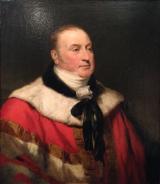
George Capel-Coningsby, 5th Earl of Essex FSA (13 November 1757 – 23 April 1839) was an English aristocrat and politician, and styled Viscount Malden until 1799. His surname was Capell until 1781.
Bővebben...Mary Robinson (poet)
Charles James Fox

Charles James Fox (24 January 1749 – 13 September 1806), styled The Honourable from 1762, was an English Whig politician and statesman whose parliamentary career spanned 38 years of the late 18th and early 19th centuries. He was the arch-rival of the Tory politician William Pitt the Younger; his father Henry Fox, 1st Baron Holland, a leading Whig of his day, had similarly been the great rival of Pitt's famous father, William Pitt, 1st Earl of Chatham ("Pitt the Elder").
Fox rose to prominence in the House of Commons as a forceful and eloquent speaker with a notorious and colourful private life, though at that time with rather conservative and conventional opinions. However, with the coming of the American War of Independence and the influence of the Whig Edmund Burke, Fox's opinions evolved into some of the most radical to be aired in the British Parliament of his era.
Fox became a prominent and staunch opponent of King George III, whom he regarded as an aspiring tyrant. He supported the American Patriots and even dressed in the colours of George Washington's army. Briefly serving as Britain's first Foreign Secretary during the ministry of the Marquess of Rockingham in 1782, he returned to the post in a coalition government with his old enemy, Lord North, in 1783. However, the King forced Fox and North out of government before the end of the year and replaced them with the 24-year-old Pitt the Younger. Fox spent the following 22 years facing Pitt and the government from the opposition benches of the House of Commons.
Though Fox had little interest in the actual exercise of power and spent almost the entirety of his political career in opposition, he became noted as an anti-slavery campaigner, a supporter of the French Revolution and a leading parliamentary advocate of religious tolerance and individual liberty. His friendship with his mentor, Burke, and his parliamentary credibility were both casualties of Fox's support for France during the French Revolutionary Wars, but Fox went on to attack Pitt's wartime legislation and to defend the liberty of religious minorities and political radicals. After Pitt's death in January 1806, Fox served briefly as Foreign Secretary in the 'Ministry of All the Talents' of William Grenville before he died on 13 September 1806, aged 57.
Bővebben...Mary Robinson (poet)
Banastre Tarleton
General Sir Banastre Tarleton, 1st Baronet (21 August 1754 – 15 January 1833) was a British military officer and politician. He is best known as the lieutenant colonel leading the British Legion at the end of the American Revolutionary War. He later served in Portugal and held commands in Ireland and England.
During most of his service in North America, he led the British Legion, a provincial unit organised in New York in 1778. After returning to Great Britain in 1781 at the age of 27, Tarleton was elected to Parliament as a member for Liverpool. He served as a prominent Whig politician for 20 years. He was interested in military matters and opposed abolition of the slave trade.
Bővebben...