Ki randizott Olga Zherebtsova-szel?
George IV of the United Kingdom Olga Zherebtsova dátummal kelt, ? és ?. között
Olga Zherebtsova
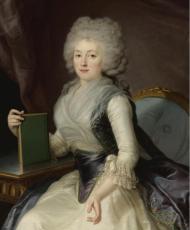
Olga Alexandrovna Zherebtsova (née Zubova; Russian: Ольга Александровна Жеребцова; 1766–1849), also known as Madame Gerebtzoff, was a Russian aristocrat and socialite, known foremost for her political involvement and love life. She was the sister of the celebrated Zubov brothers, Prince Platon and Counts Nikolay and Valerian.
After her brothers' fall from grace following Catherine II's death, they conspired with Count Pahlen to assassinate her successor Paul whom they viewed as the author of their misfortunes. The conspirators met and discussed their plans at Zherebtsova's house. Some maintain that she appropriated the funds the British government passed through her lover Charles Whitworth, 1st Earl Whitworth to the conspirators. "Once diplomatic relations with England were broken, Whitworth was ordered to leave the capital with all his staff".
Zherebtsova followed Lord Whitworth to England where she was shocked to learn about his prospective betrothal to the widow of John Sackville, 3rd Duke of Dorset. It was rumored that Madame Gerebtzoff extorted from her rival some 10,000 pounds before turning her attention to the Prince Regent, whose mistress she is said to have become. She is even said to have given birth to a natural son, named George Nord, after his purported royal father.
In the declining years of her life, Madame Gerebtzoff returned to the Russian capital, where she again became immersed in court intrigues through her powerful son-in-law, Prince Aleksey Orlov. In the 1840s, she was the patron of Alexander Herzen, who would recall her character and opinions with admiration in his memoirs "My Past and Thoughts":
Bővebben...Like a tree in winter, she maintained the linear outline of her boughs after the leaves had fallen off and the scraggy bare branches had been pinched with cold, all the more clearly demonstrating her magnificent stature, her daring bulk, and the trunk, though white with frost, still stalking lordly and sulkily and braving every tempest and gust.
George IV of the United Kingdom
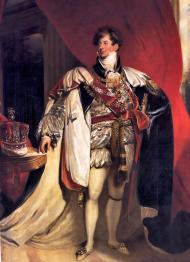
IV. György, teljes nevén George Augustus Frederick of Hanover (Szent Jakab-palota, 1762. augusztus 12. – windsori kastély, 1830. június 26.) Nagy-Britannia és Írország Egyesült Királyságának, valamint a Hannoveri Királyság uralkodója 1820-tól 1830-as haláláig. 1811-től elmebeteg apja, III. György helyett volt régensherceg.
IV. György kicsapongó, extravagáns életmódot folytatott, lelkes támogatója volt az új divatirányzatoknak; "Anglia első úriemberének" is hívták. Róla nevezték el az 1810-es évek új építészeti és stílusirányzatát régenskorszaknak (Regency). Az ő támogatásával épült John Nash tervei alapján a brightoni Királyi Pavilon, valamint a Buckingham-palota és a windsori kastély átépítése. A király anyagi hozzájárulásával jött létre a londoni Nemzeti Galéria és a King’s College London.
Tékozló, élvhajhász természete miatt apjával és feleségével, Braunschweig-Wolfenbütteli Karolinával rossz volt a viszonya, utóbbival csak egy évig élt együtt. Még azt is megtiltotta, hogy felesége (aki már korábban Itáliába költözött) részt vegyen a koronázási ünnepségeken és jogi ügyeskedéssel sikertelenül próbált elválni tőle.
Uralkodása nagy részében Lord Liverpool volt Nagy-Britannia miniszterelnöke. A miniszterek a király viselkedését önzőnek, felelőtlennek, megbízhatatlannak és kegyencei által könnyen befolyásolhatónak tartották. A kormány az uralkodó segítsége nélkül megnyerte a Napóleon elleni háborút, a bécsi kongresszuson a többi nagyhatalommal létrehozta az új európai rendet és igyekezett megoldani a háború utáni gazdasági és politikai problémákat. Az 1820-as évek végén kormánya nyomására György aláírta a katolikusok egyenjogúsításáról hozott törvényt, amit egyébként ellenzett. Egyetlen törvényes gyermeke, Sarolta 1817-ben elhunyt, így a király halála után öccse, IV. Vilmos követte a brit és hannoveri trónon.
Bővebben...